

Picture this: It’s a lazy Tuesday in 2026, you’re still in your pajamas with coffee in one hand and your phone in the other. No lines, no grumpy tellers, no awkward small talk about the weather while waiting for a deposit slip. Just a couple of taps and—boom—your electric bill is paid, your savings account is earning real interest, and an AI assistant politely reminds you that buying another pair of “limited-edition” sneakers might not be the smartest move. That, my friend, is the magic of online banking. If you’re new to this whole digital money thing (or still secretly nostalgic for those little paper checkbooks), don’t worry. This guide is written for you, not for tech geniuses or finance bros. We’ll keep it simple, sprinkle in a few laughs, and by the end you’ll feel like you’ve just unlocked a secret level in the game of adulting.
What Is Online Banking, Anyway? (And Why It Doesn’t Involve Wearing a Tie)
Online banking is basically your bank’s website and mobile app letting you handle almost everything you used to do at a branch—without ever leaving your couch. Check balances, transfer money, pay bills, deposit checks by snapping a photo, apply for loans, chat with customer service, and even get spending advice. In 2026, it’s evolved way beyond the clunky 2000s version where you’d wait ten minutes for a page to load and pray the dial-up didn’t cut out. Today’s platforms feel more like friendly apps you already love—think Netflix meets your wallet.
Remember the old days when “banking” meant driving across town, standing in a line that moved slower than a sloth on vacation, and hoping the teller didn’t close the window right as you reached the front? Online banking laughs at that chaos. It’s available 24/7, works from anywhere with internet (or even offline for some basic stuff), and—here’s the best part—most of the top players charge zero monthly fees and pay you actual interest instead of the pathetic 0.01% your grandma’s bank used to offer. It’s like your money finally got a promotion.
Why Online Banking in 2026 Feels Like the Future (But in a Good, Non-Robotic Way)
Fast-forward to right now in 2026 and online banking isn’t just convenient—it’s borderline wizardry. Banks have rolled out AI agents that act like personal financial sidekicks. They don’t just answer questions; they predict you might run low on cash next week and suggest moving a few bucks from checking to savings. Real-time payments mean money zips between accounts instantly instead of that old “three business days” nonsense that felt like waiting for a package from Mars. Embedded finance lets you do banking stuff inside other apps—buy something on your favorite shopping site and pay with your bank balance without ever switching tabs.
Open banking and tokenization are also huge this year. Your accounts can safely share data with trusted apps (with your permission, of course) so everything from budgeting tools to investment trackers works together like a well-oiled team. And fraud detection? It’s smarter than ever, spotting weird spending patterns faster than you can say “that wasn’t me in Romania.” The result? Fewer headaches, more control, and your money working harder while you scroll memes. Sure, it sounds fancy, but the beauty is you don’t need a PhD to use it—just a smartphone and a willingness to learn.
Choosing the Right Bank: It’s Like Dating, But for Your Money
Picking an online bank in 2026 is a bit like swiping right on a dating app—lots of options, some look great on paper, but you want one that actually shows up when you need it. Focus on no-fee checking and savings accounts, high annual percentage yields (APY), easy mobile apps, and solid customer support. Here are some standout players this year that beginners love:
| Bank/Credit Union | Best For | Key Perks in 2026 | Monthly Fee | ATM Access | Starting APY (Savings) |
|---|---|---|---|---|---|
| SoFi | All-around superstar | High-yield checking/savings combo, cash bonuses, investing tools | $0 | 55,000+ fee-free | Up to 4.00%+ |
| Ally Bank | Budgeting newbies | Great tools, buckets for goals, 24/7 support | $0 | Unlimited reimbursements | Competitive high-yield |
| Axos Bank | ATM lovers | Unlimited ATM fee refunds worldwide | $0 | Basically everywhere | Solid yields |
| LendingClub | Rewards fans | Cash back on debit purchases | $0 | Wide network | Good rates |
| Capital One | Hybrid comfort | Online + plenty of branches if you panic | $0 | 70,000+ | Strong savings |
| Alliant Credit Union | Credit union fans | Easy to join, excellent app | $0 | 80,000+ | Top-tier |
Step-by-Step: Setting Up Your Online Banking Account (Easier Than Assembling IKEA Furniture)
Ready to dive in? Good news—it’s ridiculously simple. Here’s how it usually goes in 2026:
- Pick your bank and visit their website or app store. Download the official app (never a sketchy third-party one—unless you enjoy surprise identity theft).
- Gather your documents. You’ll need a government-issued ID (driver’s license or passport), Social Security number, proof of address (utility bill works), and sometimes a photo of yourself for biometric verification. Think of it as the bank’s version of asking for your ID at a bar.
- Hit “Open Account” or “Enroll.” Fill in basic info: name, email, phone, date of birth. The form is usually short and doesn’t ask for your blood type.
- Verify your identity. Banks now use quick video calls, facial scans, or text codes. It feels futuristic but takes two minutes. One time I did it while eating cereal and the AI said I looked “well-rested.” Flattering or creepy? You decide.
- Fund the account. Link an existing bank account or mail a check (yes, they still accept those dinosaur things). Many let you start with as little as $1.
- Set up login credentials and security. Create a strong password (no “Password123” or your dog’s name—come on). Enable multi-factor authentication (MFA) immediately. It’s that extra step where they text you a code or ask for your fingerprint. Annoying? A little. Life-saving? Absolutely.
- Explore the dashboard. Most apps walk you through a quick tutorial. Play around—transfer a tiny test amount to yourself just to feel powerful.
Pro tip: Do this on a secure home Wi-Fi, not at the coffee shop where the barista is probably judging your browser history.
Navigating the Dashboard: Your New Financial Command Center
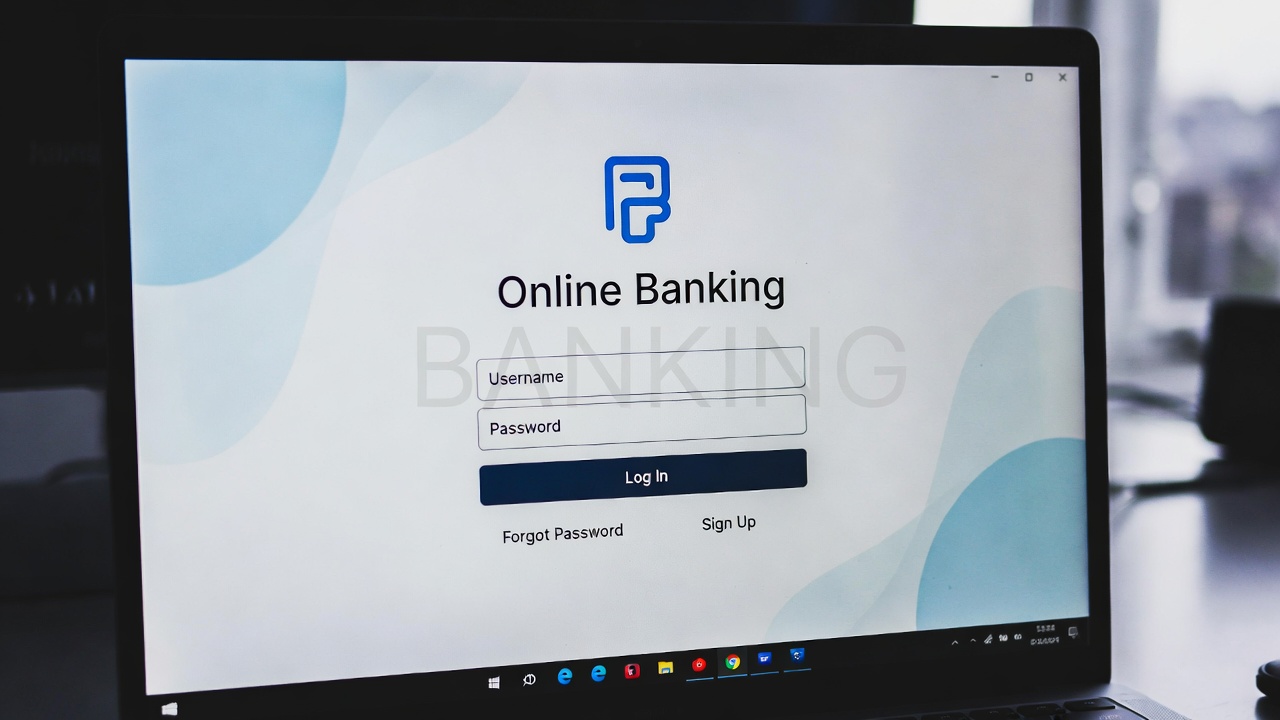
Once you’re in, the dashboard is usually clean and colorful—think less “government form” and more “friendly app.” You’ll see your balances front and center, recent transactions (with cute little icons), and quick-action buttons for transfers, deposits, and bill pay. In 2026 many banks use AI summaries: “Hey, you spent 18% more on takeout this month—maybe cook at home?” It’s like having a sassy but helpful roommate who actually cares about your budget.
Mobile Banking Apps: Your Bank in Your Pocket (Literally)
The mobile app is where the real magic happens. Deposit a check by taking a photo—front and back, make sure the signature is visible or the app will politely roast you. Send money to friends via Zelle or similar (instant and free). Track spending categories automatically. Some apps even let you lock your debit card if you left it at the gym again. It’s so convenient you’ll wonder how you ever survived without it. Just remember to update the app regularly—those updates aren’t just for new emojis; they patch security holes.
Making Transfers and Payments – Goodbye, Paper Checks!
Transferring money is easier than sending a meme. Internal transfers (between your own accounts) are instant. External ones might take a day or two, but real-time options are becoming standard in 2026. Set up recurring transfers for your savings “pay yourself first” rule and watch your rainy-day fund grow while you binge-watch shows.
Paying Bills Online – Say Goodbye to Late Fees (Mostly)
Link your utility companies, credit cards, and rent once and the app handles the rest. Schedule payments weeks in advance so you never forget again. Some banks even let you negotiate bills or find cheaper providers automatically. I once saved $47 a month on internet just because the AI noticed I was overpaying. Felt like winning the lottery, minus the actual lottery part.
Budgeting Tools and Financial Insights: Because Adulting Is Hard
Most platforms now offer built-in budgeting that categorizes every coffee run and grocery haul. Set goals like “emergency fund” or “dream vacation” and watch progress bars fill up. AI insights might say, “If you skip subscriptions you don’t use, you could afford that concert ticket.” It’s gentle nagging, but the helpful kind.
Security First: Protecting Your Money Like It’s the Last Slice of Pizza
Online banking is safe—safer than ever in 2026—but only if you don’t do dumb stuff. Banks use encryption, AI fraud detection, and biometric logins (face or fingerprint). But you still need to do your part.
- Use strong, unique passwords and a password manager (stop reusing “Summer2023!”).
- Always enable MFA—yes, even when it’s annoying.
- Never click suspicious links or reply to texts/emails asking for your info. Scammers in 2026 are using AI voices that sound exactly like your bank. Creepy, right?
- Avoid public Wi-Fi for banking. Use your phone’s data or a VPN.
- Monitor accounts daily—most apps send instant alerts for any transaction.
- Keep software updated. Those “new feature” pop-ups are secretly security shields.
- If something feels off, freeze your card instantly through the app. Better safe than explaining to customer service why your money vacationed in another country.
Humor break: I once almost fell for a phishing email that said my account was “suspended due to suspicious activity involving too many cat videos.” Nice try, scammers.
Common Beginner Mistakes (And How to Avoid Them – With a Chuckle)
Newbies love making these classic errors:
- Using the same password everywhere. One breach and your whole life is on fire.
- Ignoring alerts. That “$2.99 charge from somewhere weird” adds up.
- Forgetting to log out on shared devices. Your roommate does not need to know your coffee budget.
- Over-relying on the app and never checking statements. AI is smart, but you’re still the boss.
- Falling for “too good to be true” offers. If a random site promises 50% interest, run.
Avoid them by starting small, reading the pop-up tips, and laughing at yourself when you inevitably transfer money to the wrong account once (we’ve all done it).
Advanced Tips for 2026: Leveling Up Your Banking Game
Once you’re comfortable, try these:
- Use AI agents to automate savings rules (“round up every purchase to the nearest dollar”).
- Explore open banking to connect budgeting apps safely.
- Look into tokenized assets or digital wallets if you’re feeling adventurous (but start tiny).
- Set up sub-accounts or “vaults” for specific goals so your vacation money doesn’t accidentally buy concert tickets.
- Take advantage of cash-back debit rewards—free money for spending you were doing anyway.
Pros and Cons of Online Banking (Because Nothing Is Perfect)
Pros:
- Higher interest rates
- Zero or low fees
- 24/7 access
- Better tools and insights
- Faster everything
Cons:
- No face-to-face help if you panic (though video chat is pretty close)
- Learning curve for total newbies
- Occasional app glitches (usually fixed fast)
- You might miss the free lollipops from old-school branches
Overall, the pros crush the cons like a steamroller over a marshmallow.
Real-Life Beginner Stories (The Good, the Bad, and the “Oops”)
Take Sarah, who switched to an online bank last year and paid off her credit card debt six months faster thanks to budgeting tools. Or Mike, who forgot to enable MFA and learned the hard way why scammers love weak security. You’ll have your own stories—hopefully the funny, triumphant kind.
FAQs: Your Most Burning Questions Answered
Is my money safe? Yes—FDIC or NCUA insurance covers up to $250,000 (many banks offer extra). Plus all the tech mentioned earlier.
What if I lose my phone? Freeze cards through another device or call the bank. Most have web versions too.
Can I still use branches? Some online banks partner with networks; others are pure digital. Choose based on your comfort level.
How do I deposit cash? Many have partnerships with retailers or ATMs that accept cash deposits.
Is it hard for seniors or total beginners? Not at all—most have large text options, video tutorials, and live chat with real humans.
Conclusion: Your Banking Adventure Begins Now
Congratulations—you’ve just finished the beginner’s guide to online banking in 2026. You now know enough to get started without feeling like you’re speaking a foreign language. The best part? Once you set it up, it mostly runs itself while you live your life. Your money grows, bills get paid, and you spend less time stressing and more time doing whatever makes you happy (maybe finally taking that trip you’ve been “saving for” since 2022).
So go ahead—open that account, enable the security features, and maybe even name your savings goal something ridiculous like “Pizza Fund 3000.” Online banking isn’t about being perfect with money; it’s about making the whole process easier and a little more fun. Welcome to the club. Your future self (and your wallet) will thank you.